
Premium Thermal Insulation Panels for Latvian Builders
Mineral wool and XPS foam solutions for residential and commercial projects. Quality wholesale supplies from Riga.

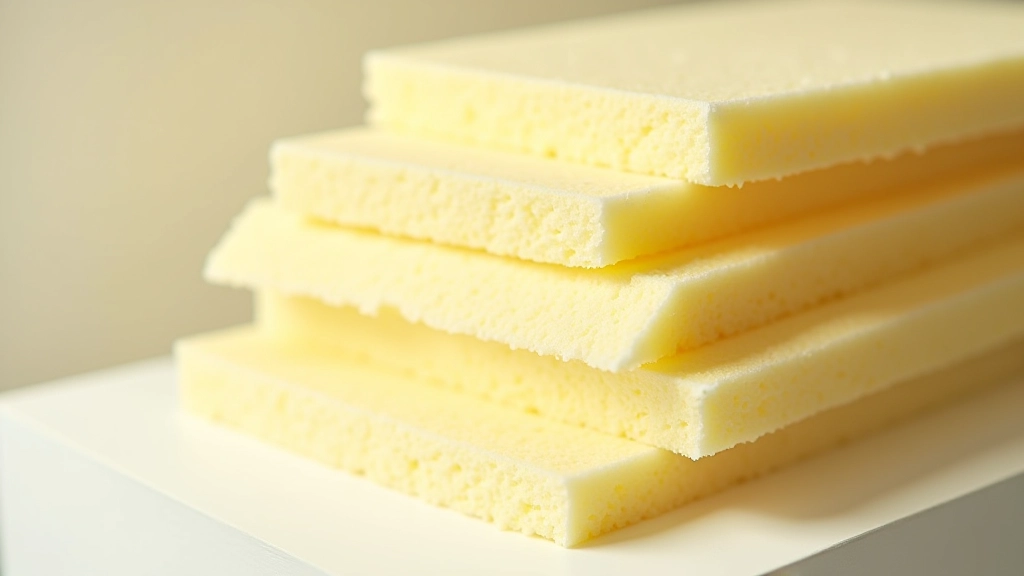
Complete Insulation Solutions
Certified Materials
All products meet EU and Latvian building standards. Full compliance documentation provided with every order.
Reliable Delivery
Fast shipping across Latvia. Bulk orders handled professionally with proper handling to prevent damage during transport.
Builder Support
We're focused on helping contractors. Technical guidance, installation tips, and troubleshooting available when you need it.
Competitive Pricing
Wholesale rates for builders and contractors. Volume discounts available. Contact us for detailed pricing information.
Why We Created These Guides
We write these guides because builders deserve clear, honest information about insulation materials. Choosing between mineral wool and XPS isn't straightforward — it depends on your climate, moisture conditions, and budget. We've seen too many projects go wrong because installers didn't understand the differences or didn't follow proper techniques.
Our approach is simple: explain what works, when it works, and how to avoid the common mistakes we've seen on job sites across Latvia. We're not trying to sell you on one material over another. We just want your projects to perform well and your buildings to stay dry and comfortable for years.
Everything here comes from working with builders, reading the technical specs, and learning from what actually happens when insulation is installed correctly — or incorrectly.
The Editorial Team
Thermal Insulation Guides for Builders
Mineral Wool vs. XPS: Which Is Right for Your Project?
Both materials work well in Latvia. The choice depends on your specific conditions.
Ready to Specify Materials for Your Project?
Get technical details, pricing, and installation support from our team.
Contact Our TeamHow Installation Works
Proper technique matters as much as material selection
Surface Preparation
Clean the substrate. Check for moisture, cracks, and uneven surfaces. Fix any issues before installation begins. This step prevents callbacks and ensures long-term performance.
Material Fitting
For mineral wool: compress slightly as you install to ensure good contact. For XPS: cut precisely, minimize waste, and ensure tight joints. Don't rush this phase — poor fitting creates thermal bridges.
Fastening & Sealing
Use appropriate fasteners for your system. Seal all joints and penetrations. For XPS especially, gaps reduce performance. For mineral wool, ensure it's captured within the cavity.
Finishing & Inspection
Apply vapor barriers and weather protection as required. Inspect the entire installation. Check for thermal bridges, air leaks, and proper coverage before the wall is closed.
Building Better Outcomes
Our resources and support focused on Latvian construction
4
Detailed Guides
Complete technical resources covering materials, performance, and installation methods
2023
Since Launch
Providing builders with honest, practical information since we started
Riga
Central Location
Serving builders across Latvia with wholesale products and technical support
Featured Resources
Technical guides for builders
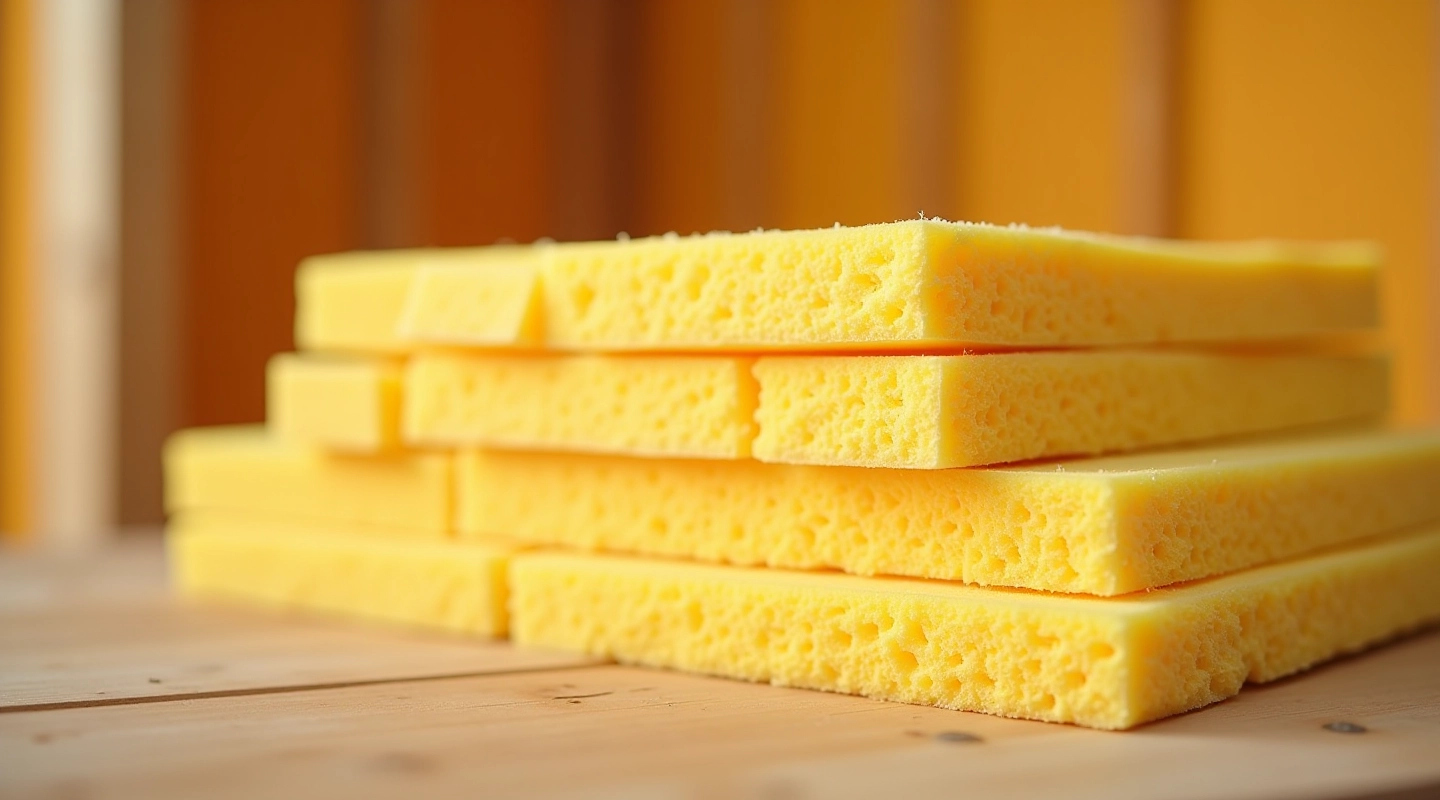
Mineral Wool Insulation Basics
Learn what mineral wool is, how it's manufactured, and why it performs well in Latvian building conditions. Covers fire resistance and moisture management.
Read Guide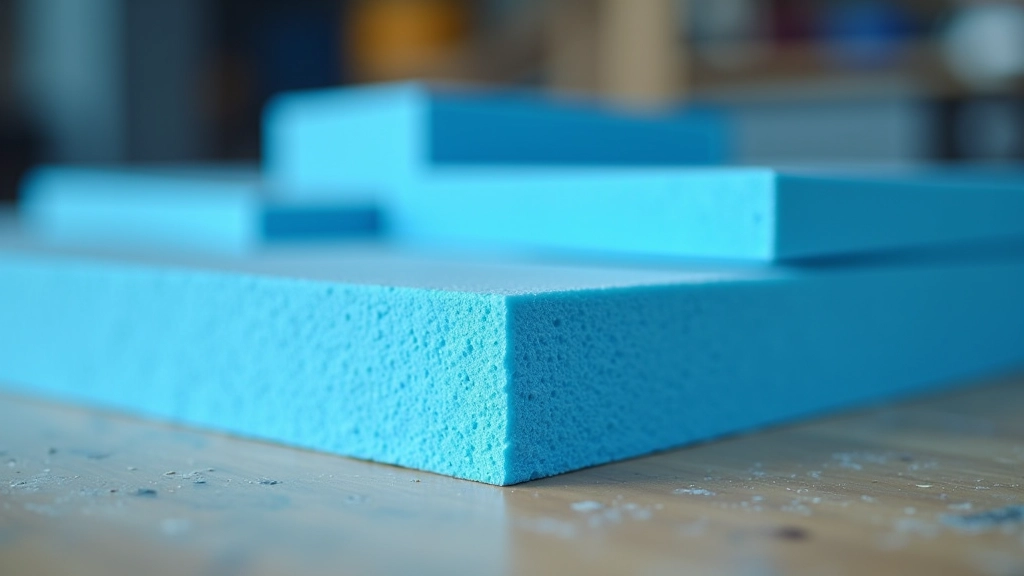
XPS Foam Panels: Moisture and Performance
XPS panels handle moisture differently than mineral wool. This guide explains their water resistance, where they work best, and how to install them properly.
Read Guide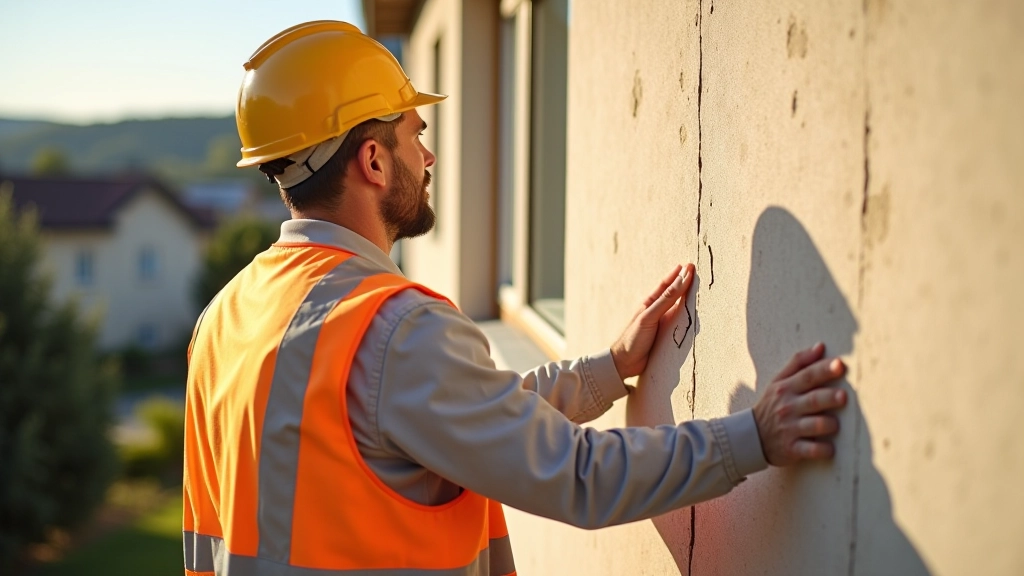
Installation Methods for Both Materials
The way you install insulation matters as much as what you choose. This covers fastening, sealing, and avoiding common mistakes that builders make on both wall and roof applications.
Read GuideProduct Gallery
Quality materials from trusted manufacturers
Mineral Wool Batts
XPS Rigid Boards
Professional Installation
Material Detail
Common Questions
What's the difference between R-value and thermal conductivity?
R-value measures how well insulation resists heat flow — higher is better. Thermal conductivity (lambda value) is the material property. Both matter, but R-value is what determines whether your installation meets building codes. We've included comparison data on our thermal performance guide.
Can I use mineral wool in basements?
Not ideal. Mineral wool absorbs moisture, and basements are damp. XPS is better for below-grade applications because it resists water. If you must use mineral wool below grade, you'll need exceptional drainage and vapor control — which adds cost and complexity.
Is thicker insulation always better?
Not necessarily. You want enough to meet building codes and your thermal goals — adding extra thickness shows diminishing returns. The real gains come from proper installation: good sealing, no thermal bridges, and correct vapor management. A thinner, well-installed system beats thick insulation installed carelessly.
How do I know which material to specify?
Consider: moisture conditions (mineral wool for dry walls with ventilation, XPS for wet areas), fire requirements, budget, and climate. Our comparison guide walks through the decision. Contact us if you're working on a specific project — we can discuss your conditions and help you choose.
We use cookies to improve your experience. By continuing to use this site, you agree to our cookie policy.