Mineral Wool Insulation Basics
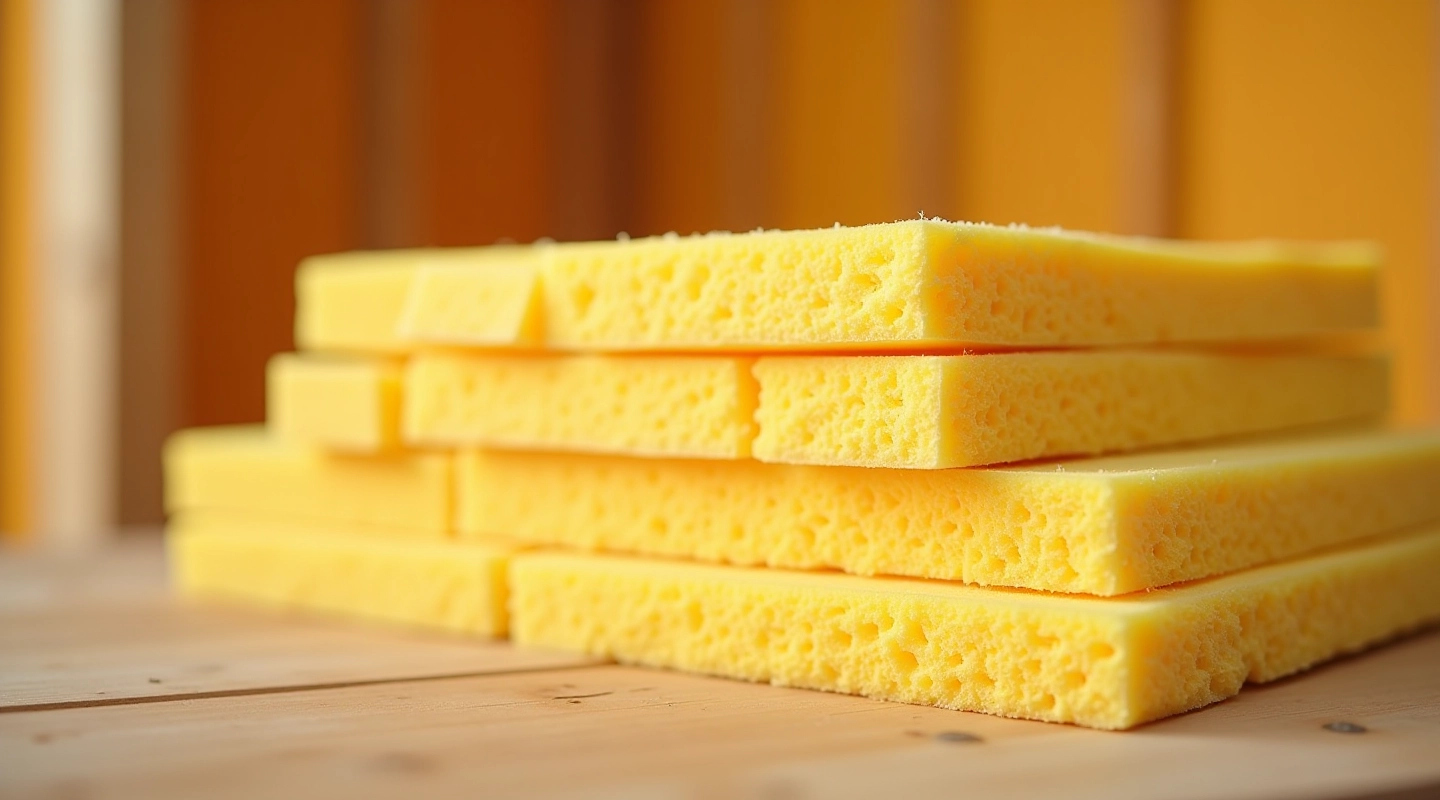
Learn what mineral wool is, how it's manufactured, and why it performs well in Latvian building conditions. Covers fire resistance and moisture management.
Comprehensive resources for understanding mineral wool and XPS insulation solutions
When you're working on building projects in Latvia, choosing the right insulation material makes a real difference. Mineral wool and XPS panels serve different purposes, and understanding where each one works best will save you time and money on your projects. This category explores the fundamentals of both materials — how they're made, what their strengths are, and which situations call for each type. You'll find practical information about installation, performance characteristics, and how these materials compare across different climate conditions. Whether you're insulating walls, roofs, or foundations, these guides focus on the details that actually matter to builders working in the Latvian climate.
Learn what mineral wool is, how it's manufactured, and why it performs well in Latvian building conditions. Covers fire resistance and moisture management.
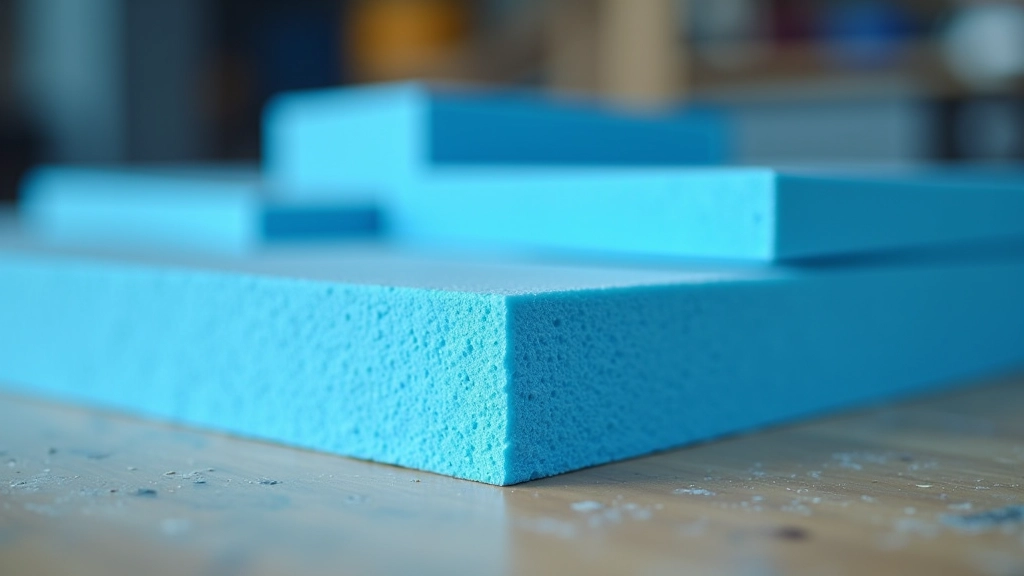
XPS panels handle moisture differently than mineral wool. This guide explains their water resistance, where they work best, and how to install them properly.
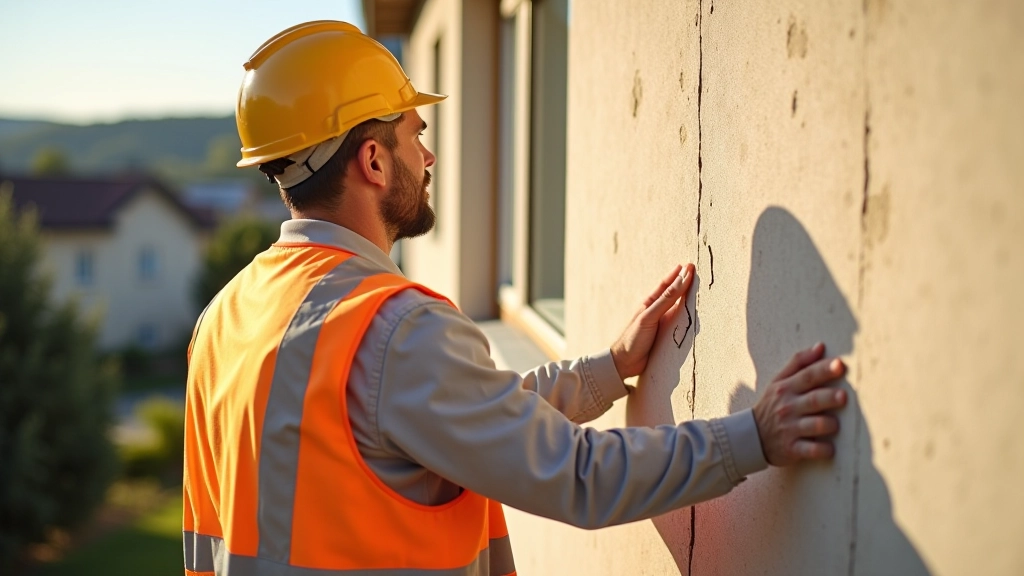
The way you install insulation matters as much as what you choose. This covers fastening, sealing, and avoiding common mistakes that builders make on both wall and roof applications.
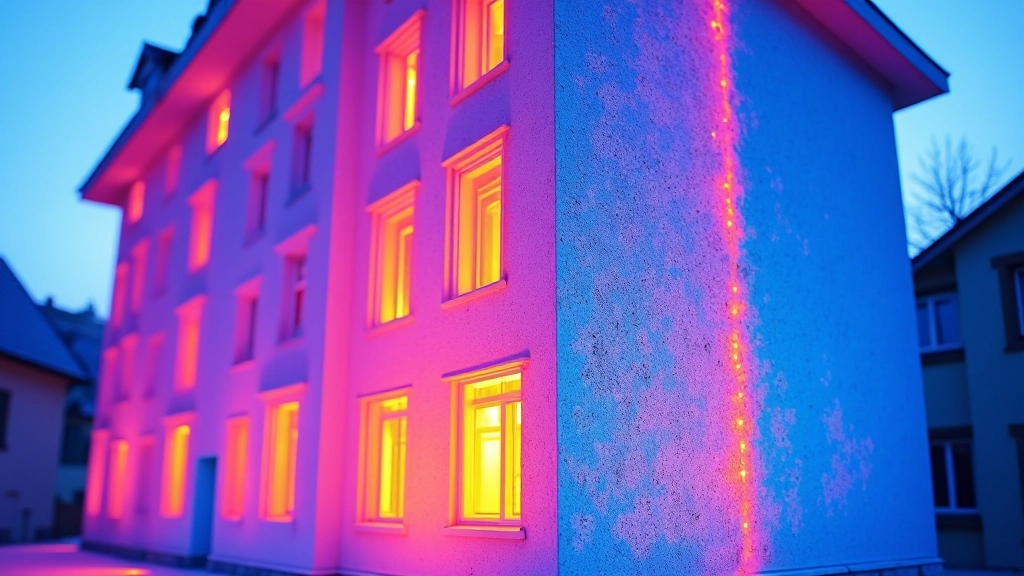
What does R-value actually mean? This guide explains thermal resistance, how to calculate what you need for Latvian winters, and how to compare products fairly.
The best insulation material is the one that fits your specific application. Mineral wool excels in sound dampening and fire safety. XPS performs better in wet conditions and basement applications. Understanding your building's exact needs — the climate zone, moisture exposure, and structural constraints — is what separates a good installation from a wasteful one.
— Editorial Team