
Mineral Wool Insulation Basics
Learn what mineral wool is, how it's manufactured, and why it performs well in most building applications.
Read MoreXPS panels handle moisture differently than mineral wool. This guide explains their water resistance, where they work best, and how to install them properly.

Author
Editorial Team
Written by the zephbell editorial team, focused on practical, honest guidance for thermal insulation material selection and installation.
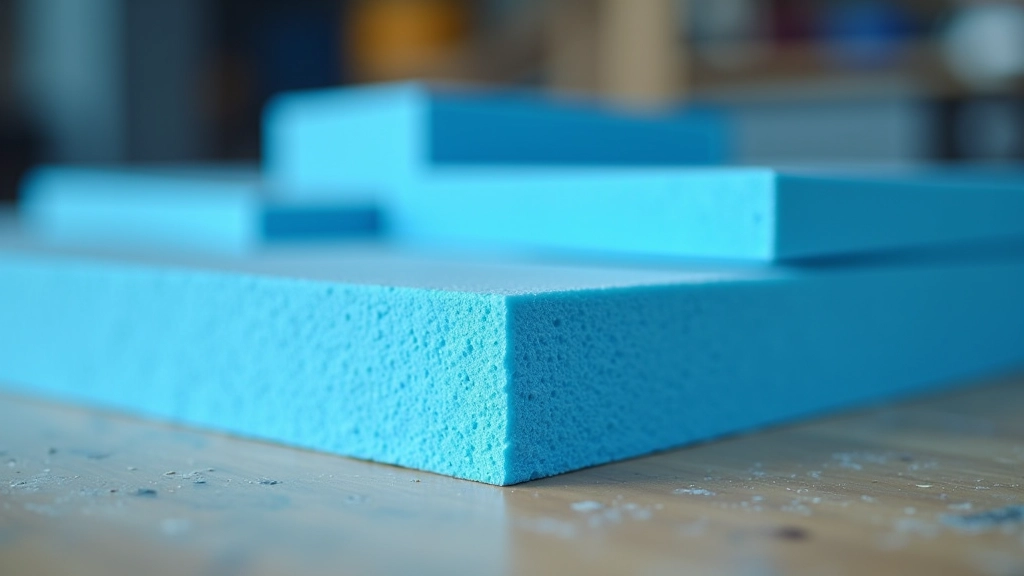
XPS foam panels aren't the same as mineral wool, and that's actually a good thing. We're talking about closed-cell foam that repels water instead of absorbing it. The difference matters, especially if you're working on below-grade projects or areas where moisture is a real concern.
Thing is, XPS performs consistently in wet conditions. It won't degrade from water exposure, doesn't require vapor barriers in the same way, and maintains its insulating value even when damp. For builders working in coastal areas, damp basements, or exterior applications, this is a game-changer.
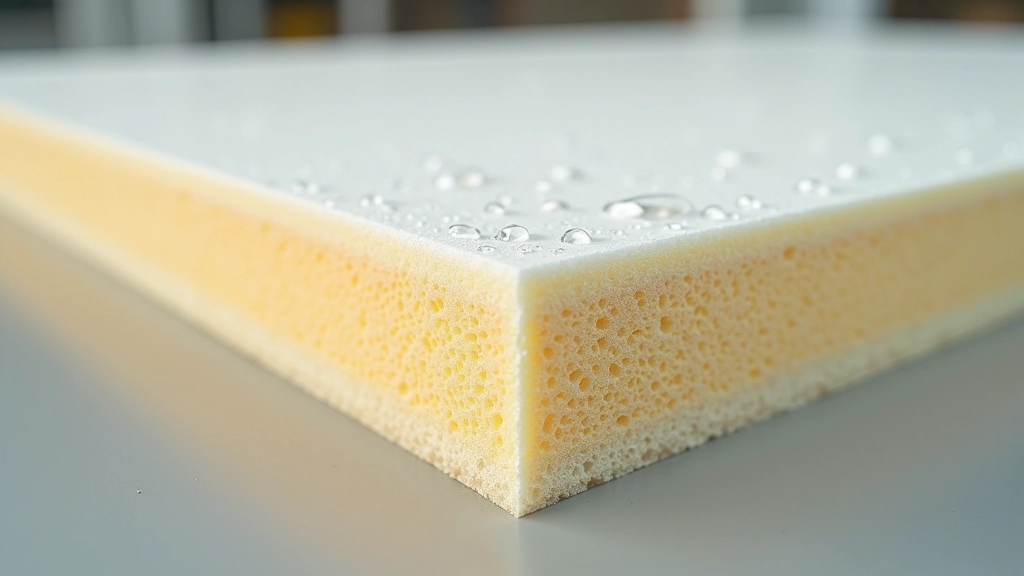
Here's what you need to know about XPS and moisture: closed-cell structure means water doesn't pass through. Your panels stay rigid. They don't swell or break down. The R-value doesn't drop when exposed to dampness.
But you still need to think about where you're installing it. Foundation walls? Below-grade spaces? Exterior above-grade? Each location has different moisture challenges. XPS handles all of them. Water absorption stays below 0.1% after 24-hour immersion tests. That's exceptional.
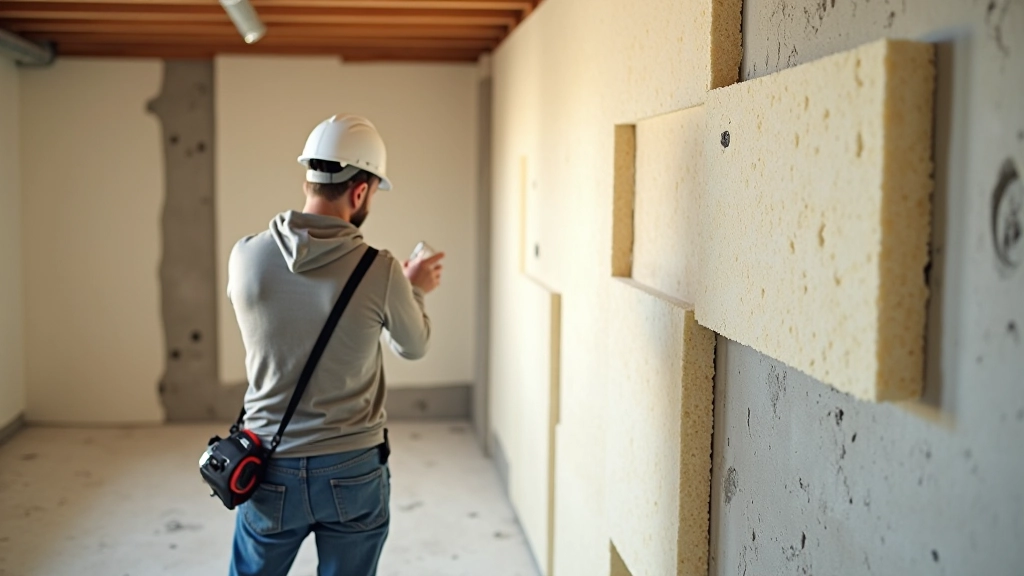
You'll find XPS performing beautifully in specific applications. Basement insulation is the classic use case — concrete gets damp, but XPS stays unaffected. Below-grade walls, crawlspaces with moisture issues, perimeter insulation around foundations — these are where XPS shines compared to mineral wool.
Cold storage facilities need XPS. High-rise buildings often use it for the perimeter. Exterior rigid foam systems rely on it because water exposure is inevitable. Plus, commercial flat-roof applications love XPS because it doesn't absorb rainwater during construction.
Don't automatically assume XPS is always better though. Mineral wool has advantages too — better fire ratings, vapor permeability in certain situations, lower cost in many cases. But for pure moisture resistance? XPS wins.
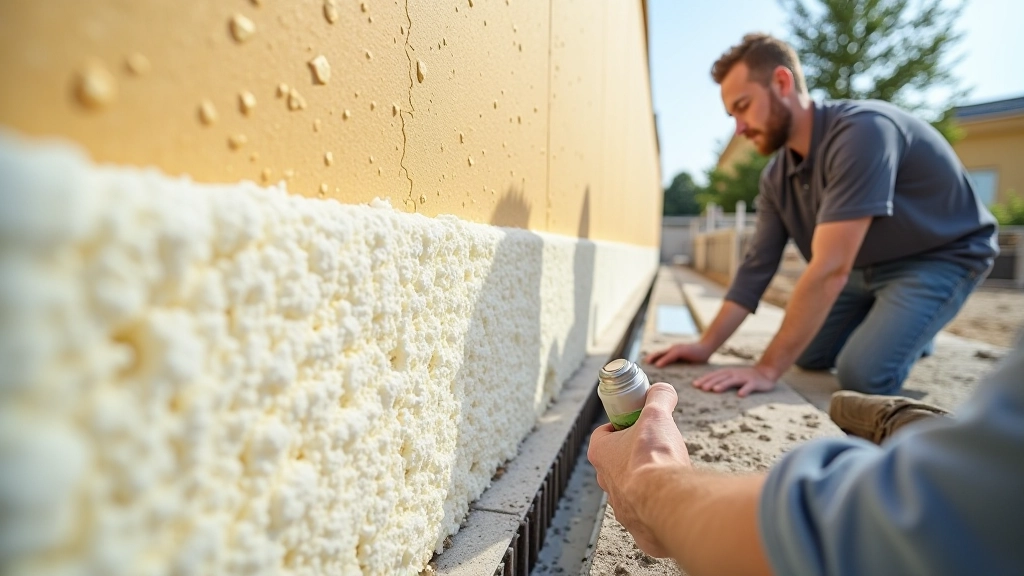
Getting XPS right depends on how you approach the installation. The material itself is forgiving, but details still count.
Clean the surface. You don't need to dry it completely like you would with mineral wool, but loose debris should go. Rough concrete walls are fine — XPS boards compress slightly and fill voids naturally.
You've got options. Adhesive works well for most basement applications. Mechanical fasteners are necessary for below-grade installations where movement might occur. Many installers use both — adhesive for initial placement, fasteners for security.
Seal all seams with foam-compatible sealant. Water can still travel through gaps even if the foam itself is waterproof. A continuous layer of sealant stops moisture from finding paths around the panels. Use caulk designed for rigid foam.
Protect the foam with drywall, plaster, or exterior finishes. XPS can be exposed temporarily during construction, but long-term UV exposure degrades it. A protective layer extends the life significantly.
Explore more about insulation selection and installation techniques.
Learn what mineral wool is, how it's manufactured, and why it performs well in most building applications.
Read More
The way you install insulation matters as much as what you choose. This covers fastening, sealing, and finishing.
Read More
What does R-value actually mean? This guide explains thermal resistance, how to compare products, and real-world performance factors.
Read MoreThis guide provides general information about XPS foam panels and their performance characteristics. Building codes, climate conditions, and specific project requirements vary by location. Always consult with a qualified contractor, engineer, or local building authority before selecting insulation materials or beginning installation. Performance data should be verified with manufacturer specifications for your specific product and application.
XPS foam panels excel in moisture-prone applications. They're durable, water-resistant, and perform reliably where other materials might struggle. But they're not a universal solution. Cost matters. Fire ratings matter. Vapor permeability considerations matter in some climates.
Your project's specific needs should drive the choice. If you're insulating a basement or below-grade wall? XPS makes sense. If you're doing interior walls in a dry climate? Mineral wool might be more economical. The right answer depends on your situation, your budget, and your building's unique requirements.
What we know for sure: you've got options. Understanding how each material handles moisture, where it performs best, and how to install it properly — that's the foundation for making smart decisions about your building's insulation.
Need guidance on insulation selection for your specific project?
Get in Touch