
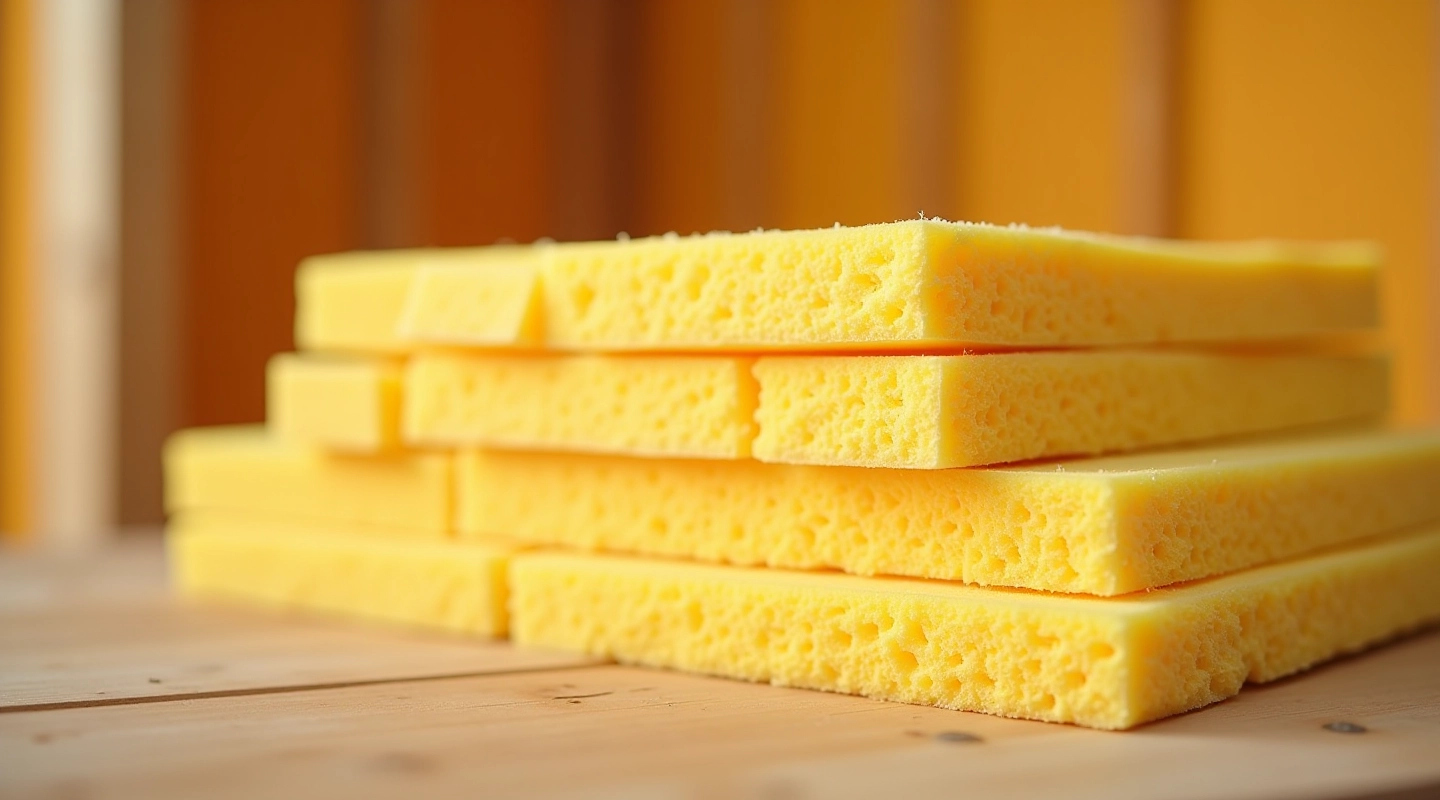
Mineral Wool Insulation Basics
Learn what mineral wool is, how it's manufactured, and why it performs well in Latvian building applications.
July 2026 • 8 min read • Intermediate
What does R-value actually mean? This guide explains thermal resistance, how to calculate what you need for Latvian winters, and how to compare products fairly.

Author
Editorial Team
Written by the zephbell editorial team, focused on practical, honest guidance for thermal insulation material selection and installation.
R-value measures thermal resistance. It's not a perfect science, but it's the standard way builders compare insulation products. Higher R-value means better insulation performance — the material resists heat transfer more effectively.
The "R" stands for resistance. Think of it like this: when heat tries to move through your wall, the insulation fights back. An R-15 material fights back 15 times harder than a one-inch layer of standard reference material. It's additive too — stack two R-10 batts and you've got R-20.
But here's what matters: R-value is measured under controlled lab conditions. Real-world performance depends on installation quality, moisture levels, temperature fluctuations, and how air moves through the building. A perfectly installed R-15 beats a carelessly installed R-20 every time.
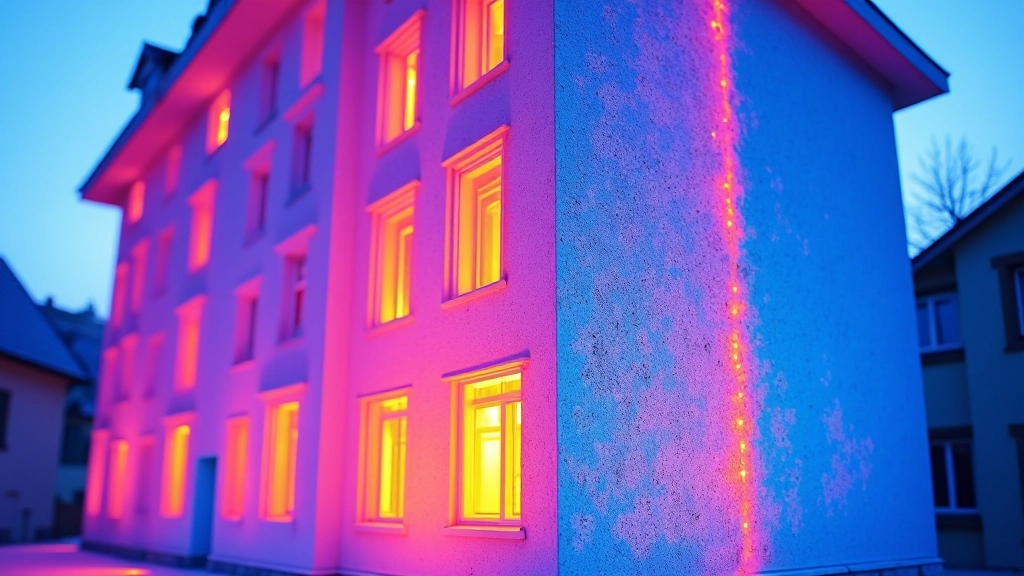
Latvia's climate demands serious insulation. Winters regularly hit -15°C to -20°C, and energy costs make poor insulation expensive. Building codes recommend different R-values depending on the building component and age of construction.
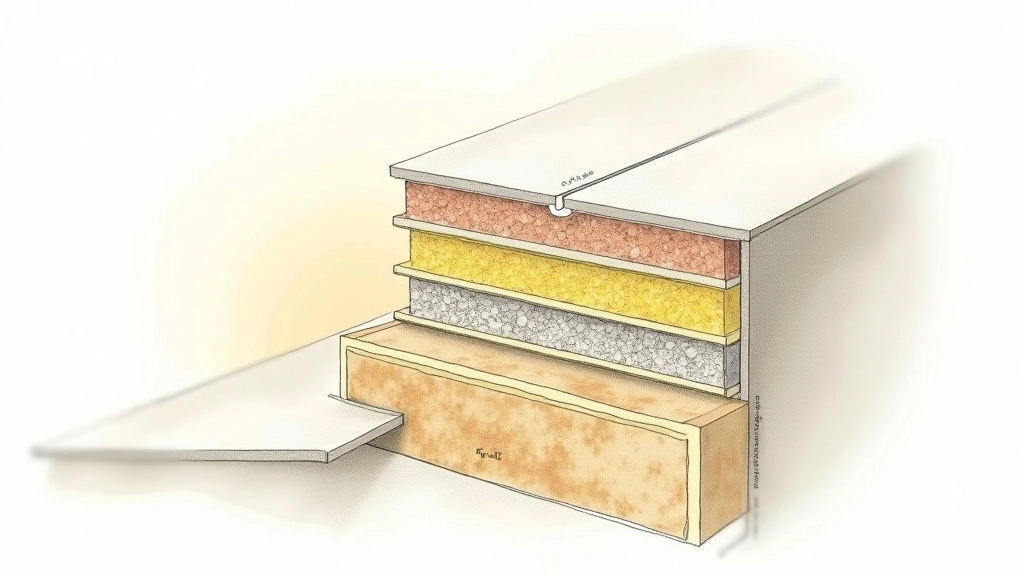
For exterior walls, modern standards call for R-20 to R-30 minimum. Attic insulation needs to be much higher — R-40 to R-50 — because heat rises and escapes through the roof. Basement walls and floors are trickier because moisture is a factor.
The practical approach: check what your building code requires for your specific building date and component. Then add 10-15% extra. You're not overbuying — you're accounting for installation losses and the fact that insulation performance degrades slightly over time.
R-value alone doesn't tell the whole story. You need to understand what you're actually buying.
R-value per inch: 3.2 to 3.8
Mineral wool (both stone and glass) delivers consistent R-values. A 150mm batt gives you roughly R-20. It's vapor-permeable, which matters in Baltic climates — moisture can move through it without degrading performance. Installation quality varies because batts need to fit snugly with no gaps.
R-value per inch: 5.0 to 5.4
XPS foam is denser and performs better per thickness unit. A 100mm XPS board gives you R-20. It's moisture-resistant, which is valuable in wet applications like basements. But it's vapor-impermeable — you need to plan your wall design to manage condensation properly.
Cost per R-value: Mineral wool usually wins
XPS costs more upfront but needs less thickness for the same R-value. Mineral wool is thicker but cheaper per unit. For wall cavities with 150-200mm space, mineral wool fills the cavity naturally. For tight spaces or below-grade work, XPS makes more sense.
Learn what mineral wool is, how it's manufactured, and why it performs well in Latvian building applications.
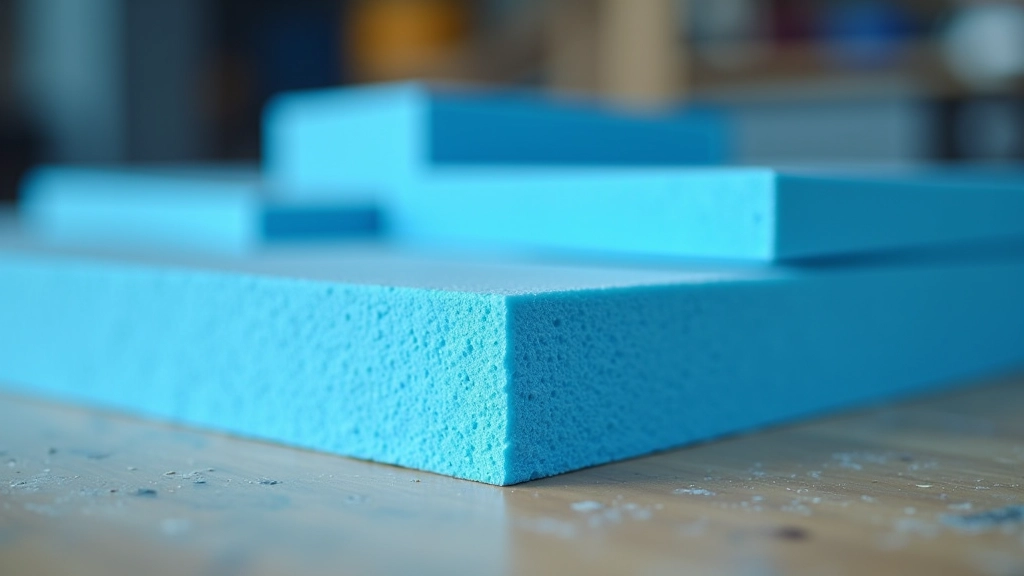
XPS panels handle moisture differently than mineral wool. This guide explains the performance differences and when to choose foam.
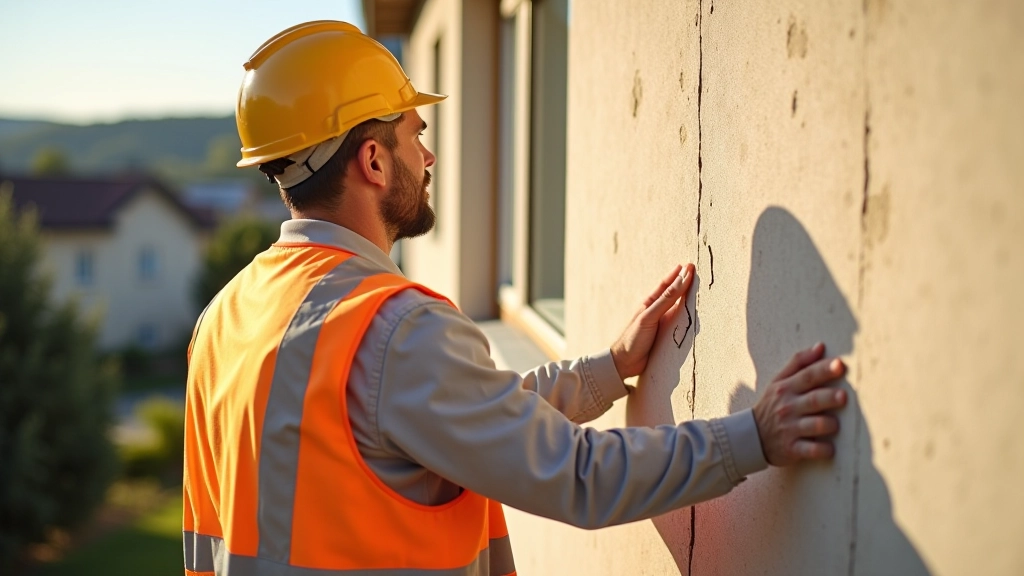
The way you install insulation matters as much as what you choose. This covers field techniques for mineral wool and foam.
This guide provides general information about R-values and thermal insulation performance. It's not a replacement for professional building assessment or consultation with structural engineers. Building codes vary by region and construction date. Always verify current requirements with local building authorities before purchasing or installing insulation materials. Installation quality directly affects thermal performance — work with experienced installers when possible.
R-value is a useful starting point, but it's just one piece of the puzzle. You're also choosing between mineral wool and foam — each with different properties. Mineral wool breathes, costs less per unit, and fills cavities naturally. XPS foam resists moisture, performs better per thickness, and works in tight spaces.
For Latvian buildings, you're likely looking at either a 150mm mineral wool system or a 100-120mm XPS system to meet current standards. Both work. The best choice depends on your specific wall design, moisture profile, available space, and budget.
Don't just chase the highest R-value. Get the insulation that fits your application, install it properly, and you'll see the difference in your heating bills come January.