
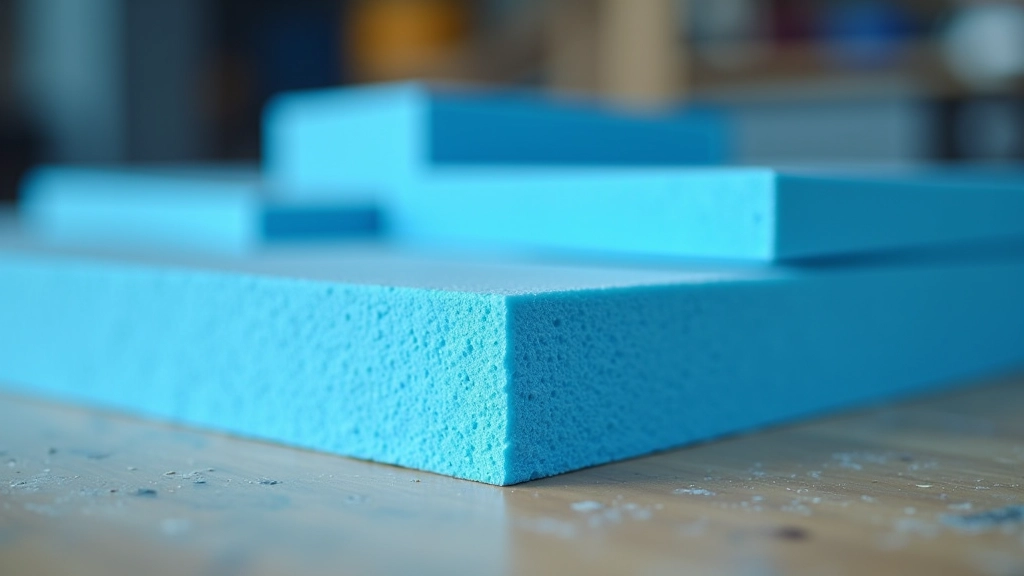
XPS Foam Panels: Moisture and Performance
XPS panels handle moisture differently than mineral wool. This guide explains the advantages and limitations of foam insulation in wet environments.
Read ArticleEverything you need to know about mineral wool insulation: what it is, how it's made, and why it performs so well in Latvian building conditions.

Author
Editorial Team
Written by the zephbell editorial team, focused on practical, honest guidance for thermal insulation material selection and installation.
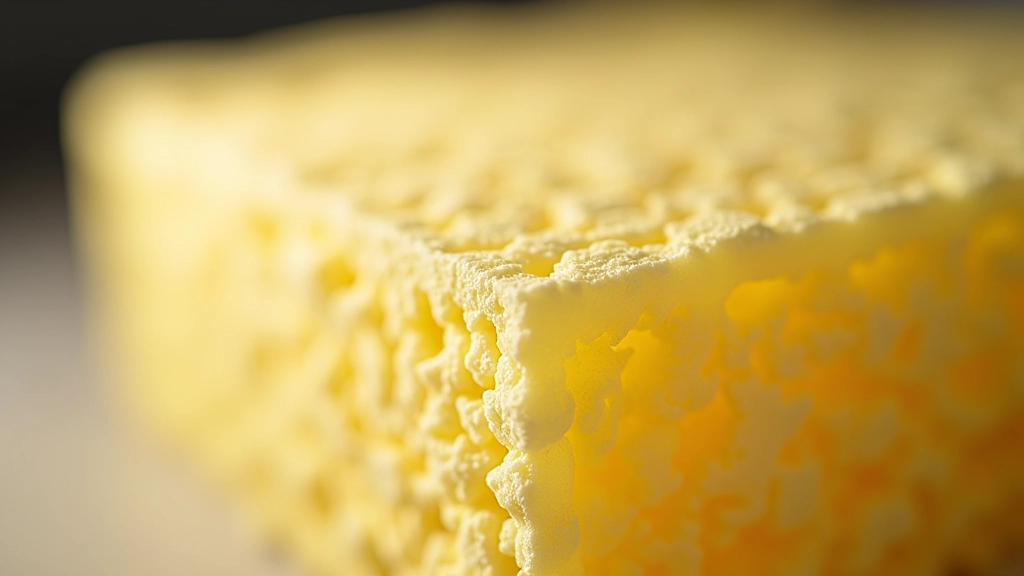
Mineral wool is a fibrous insulation material made from melted rock or slag. It's spun into thin strands that trap air, creating excellent thermal resistance. The material comes in two main forms: rock wool (made from basalt) and slag wool (a byproduct from iron production). Both work brilliantly in cold climates like Latvia's.
The manufacturing process is straightforward — raw materials get heated to extreme temperatures, then spun into fibers. These fibers bond together naturally, creating a lightweight yet dense insulation product. It's been used in buildings for decades because it simply works. No complicated chemistry, no cutting corners.
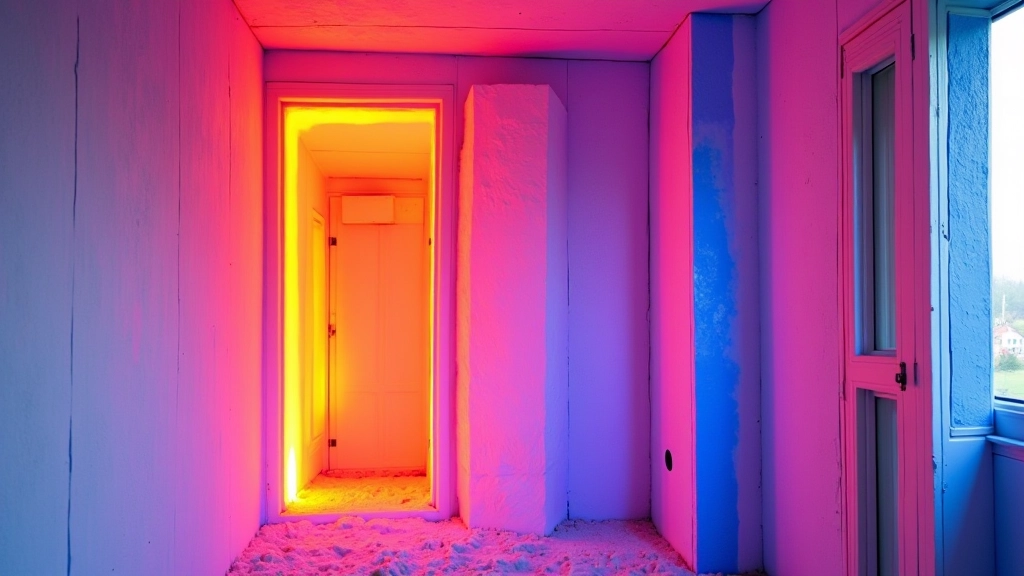
Here's where mineral wool really shines — it handles Latvia's climate exceptionally well. Winter temperatures drop below minus 20°C regularly. Mineral wool maintains its R-value performance even in extreme cold, unlike some foam products that become brittle. It's also naturally fire-resistant, which matters when you're insulating an entire building.
Moisture management is another big win. Mineral wool doesn't absorb water like traditional insulation can. Instead, it wicks moisture away, drying quickly when exposed to humidity. This prevents mold growth and keeps your insulation performing year after year. In Latvia's damp climate, that's genuinely valuable.
Mineral wool is genuinely fire-resistant. It doesn't ignite, doesn't produce toxic smoke, and won't contribute to flame spread. Building codes in Latvia recognize this — which is why mineral wool qualifies for A1 fire classification in most applications. That's the highest rating available.
If you're insulating a commercial building or any structure requiring strict fire safety compliance, mineral wool simplifies the process. You're not working with a material that needs special protective barriers. The insulation itself is the protection.
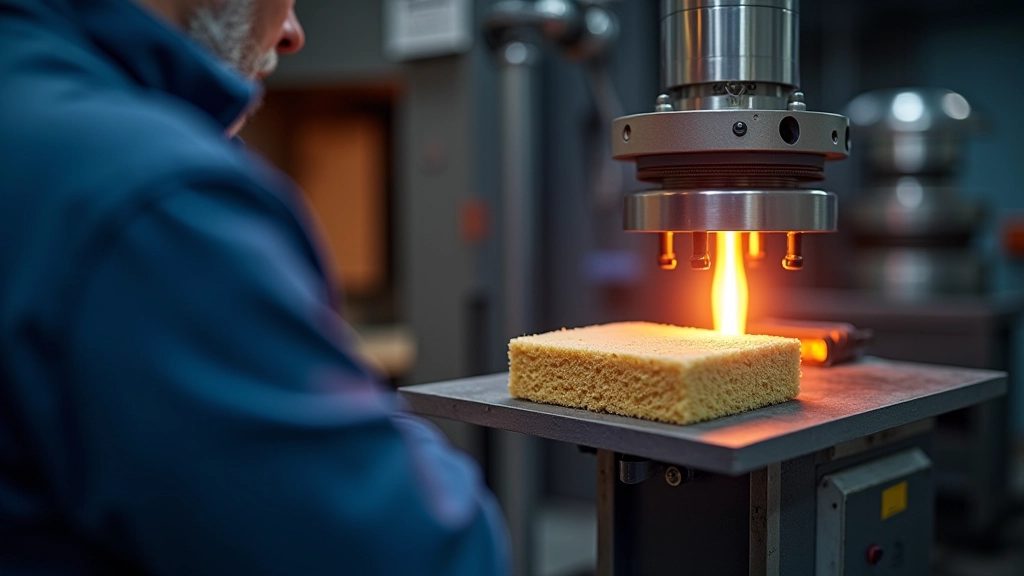
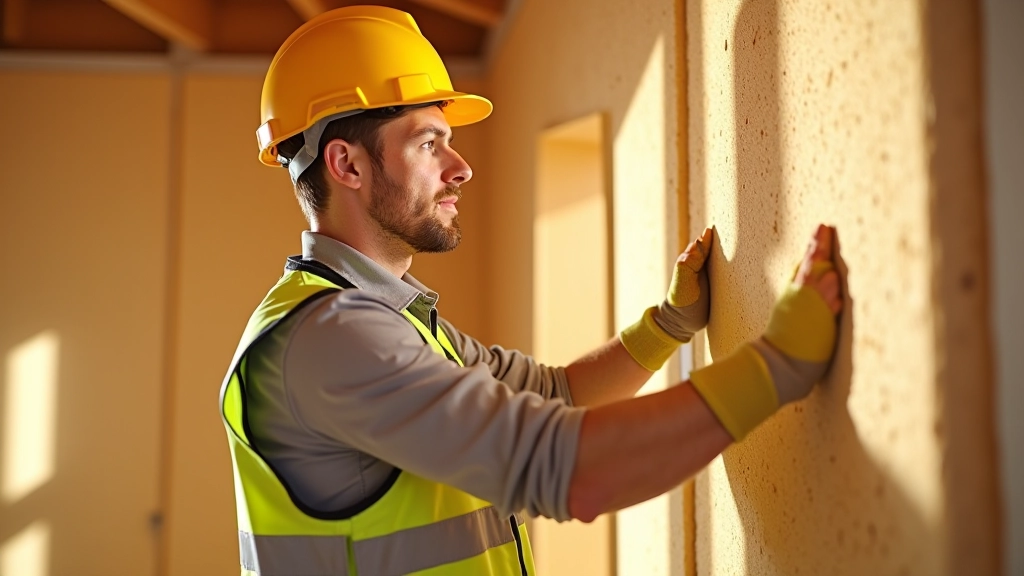
Mineral wool installation is straightforward. It comes in batts, rolls, or loose-fill depending on your application. For wall cavities, you're basically fitting batts between studs — it's not complicated. The material is stable and won't settle or shift over time like some alternatives.
You'll want basic protection when handling it. Wear gloves and a mask to avoid irritation from the fibers. That's standard practice for any insulation material. Once it's installed behind drywall or cladding, you're done. No special finishes or treatments required.
One advantage over foam products: mineral wool is easier to cut and fit around irregular shapes. You can use a knife or saw without special tools. If you need to adjust a piece mid-installation, you just pull it out and trim it. Simple.
Expand your understanding of thermal insulation materials and installation methods
XPS panels handle moisture differently than mineral wool. This guide explains the advantages and limitations of foam insulation in wet environments.
Read Article
The way you install insulation matters as much as what you choose. This covers both mineral wool and foam installation techniques for different applications.
Read Article
What does R-value actually mean? This guide explains thermal resistance, how to calculate it, and what numbers you need for Latvian building standards.
Read ArticleThis article provides informational guidance about mineral wool insulation materials and general characteristics. It's not a substitute for professional consultation. Building codes, climate zones, and specific applications vary significantly. Always consult with a qualified building professional, engineer, or architect before selecting insulation materials or planning installation. Local regulations in Latvia may have specific requirements for thermal insulation in different building types. Verify all recommendations with current building standards and your project's specific needs.
Mineral wool insulation isn't trendy or flashy. It's reliable. It's been proven in cold climates for decades. It handles moisture well, resists fire naturally, and installs without complications. If you're building or renovating in Latvia, it's worth serious consideration.
The key advantage isn't some secret formula — it's straightforward performance. Mineral wool maintains its thermal properties in extreme cold. It won't degrade or lose effectiveness over time. You install it once, and it works for decades without maintenance.
Start by understanding what you actually need for your specific project. Check your local building requirements. Compare mineral wool options with alternatives like XPS foam. Then make the decision that fits your building, climate zone, and budget. That's the practical approach.
Contact Us for Guidance