
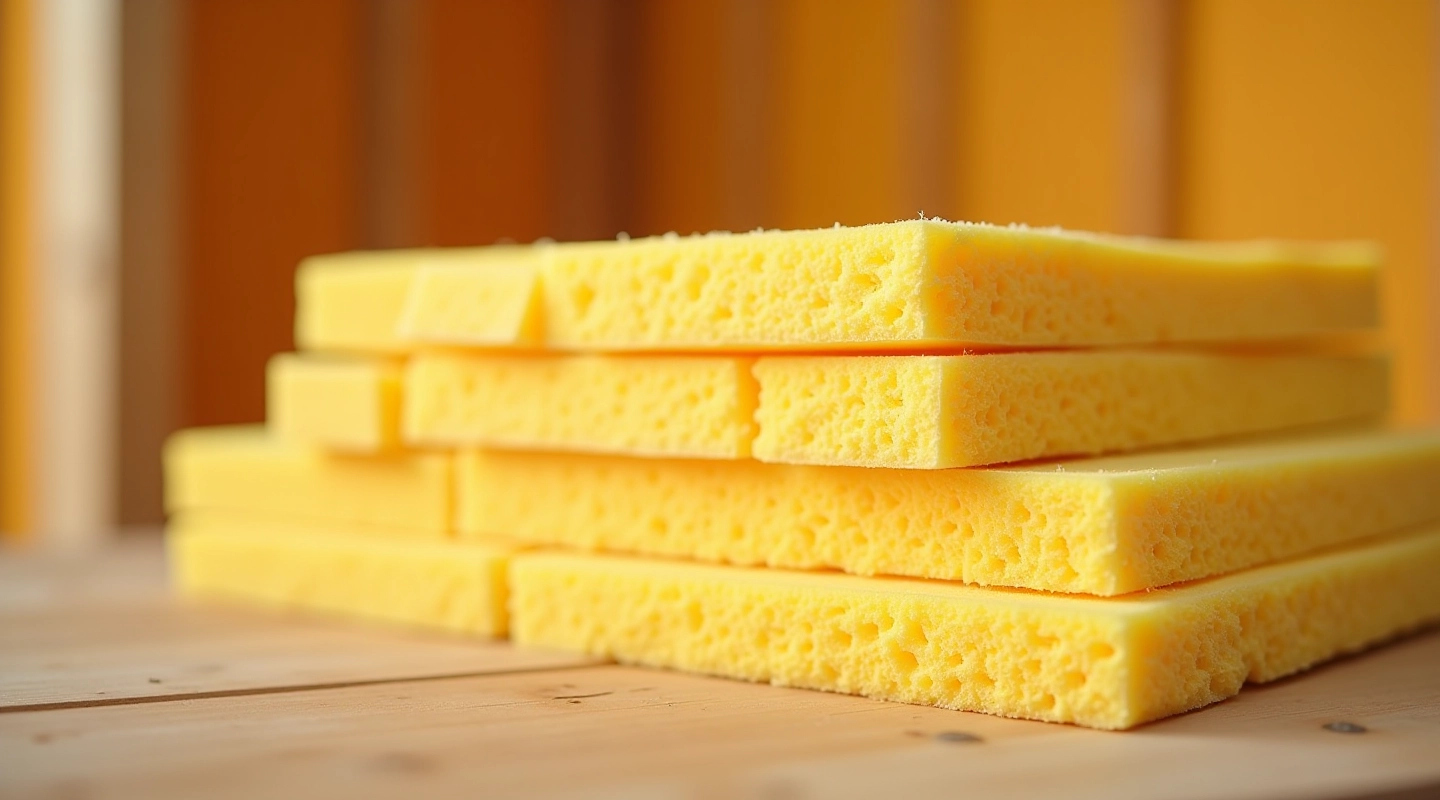
Mineral Wool Insulation Basics
Learn what mineral wool is, how it's manufactured, and why it performs well in Latvia's climate conditions.
Read GuideThe way you install insulation matters as much as what you choose. This covers fastening, sealing, and avoiding common mistakes that builders make on both wall and roof applications.

Author
Editorial Team
Written by the zephbell editorial team, focused on practical, honest guidance for thermal insulation material selection and installation.
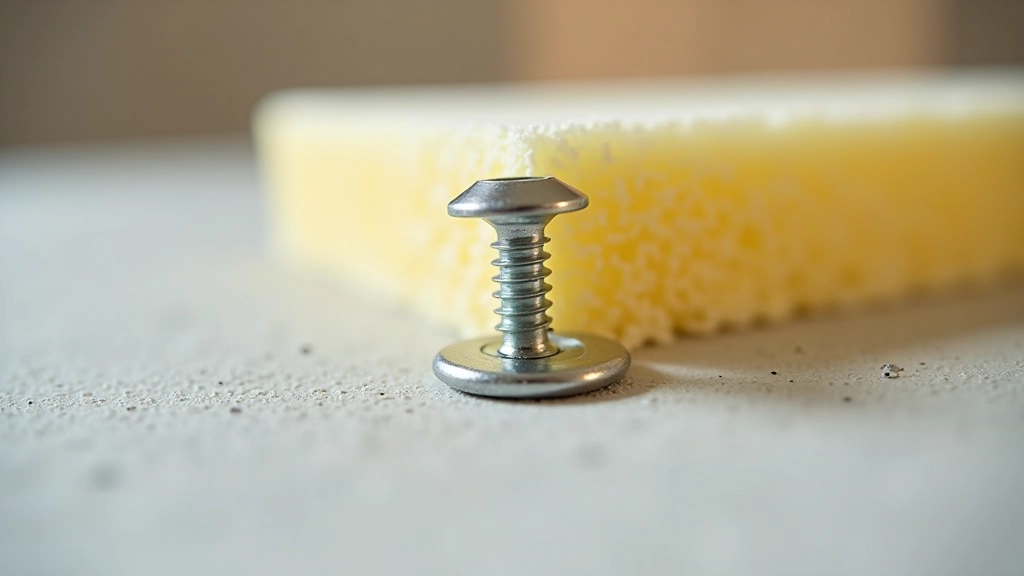
Getting the fastening right determines whether your insulation stays put or shifts over time. Mechanical fastening works well for both mineral wool and XPS, but the approach differs slightly between materials.
For mineral wool, you'll want anchors that won't compress the material. Standard steel anchors work, but you're looking at spacing of about 1 meter horizontally and 1.5 meters vertically. Don't skimp on quantity—under-fastening creates air gaps that kill your R-value performance.
XPS panels are denser, so you can space fasteners wider—about 1.5 meters in both directions usually works. But here's the thing: XPS won't compress under fastening pressure like mineral wool does, so you've got less margin for error if you get placement wrong.
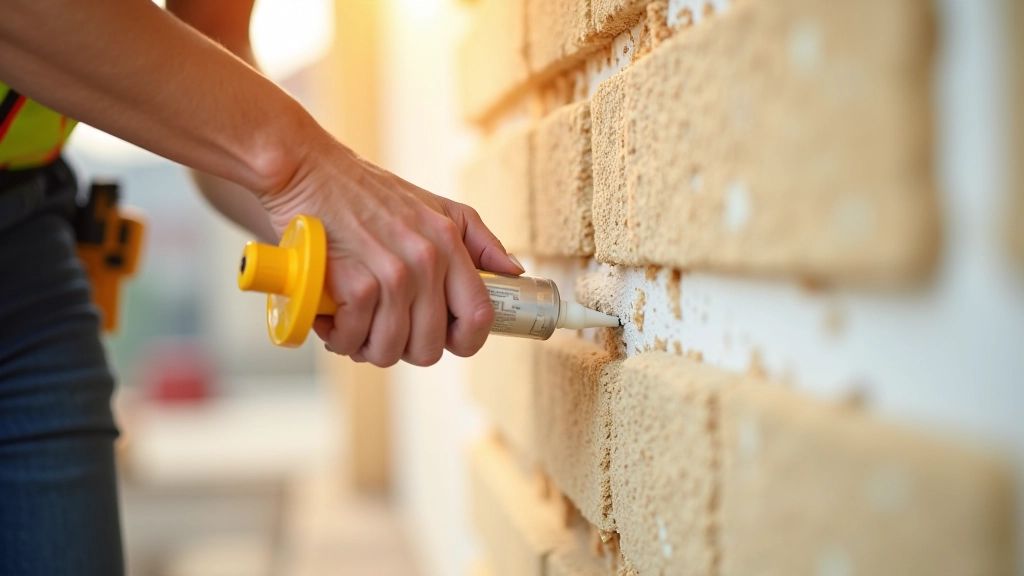
You can install panels perfectly, but poor sealing creates thermal bridges that undermine your whole effort. Air leakage around seams is real—it's not just about comfort, it's about moisture too.
Mineral wool and XPS need different sealing approaches because they expand and contract differently. Mineral wool is forgiving—it stays relatively stable dimensionally. XPS will actually expand slightly when it gets warm, so you need flexible sealants that accommodate movement.
The standard approach is expandable polyurethane foam for most gaps, followed by weatherstripping tape where panels meet. We're talking about sealing panel-to-panel joints, around penetrations (pipes, electrical), and where insulation meets the foundation or roof edge. Don't skip any of these—a 2-centimeter gap left unsealed can reduce thermal performance by 5-10% in that zone.
This is where installation method really diverges between materials. Mineral wool is breathable and moisture-tolerant. XPS is closed-cell and blocks moisture almost entirely. Your barrier placement strategy depends entirely on which material you're using.
For mineral wool installations, a vapor-permeable membrane goes on the outside, and you leave the inner face open. This lets any moisture that gets into the cavity dry toward the interior. Don't use polyethylene film—it traps moisture inside mineral wool and causes rot.
Breathable membrane outside, open inside. Moisture can escape. Needs ventilation space on exterior.
Moisture barrier less critical because material itself blocks moisture. Focus on sealing joints instead.
XPS is different. Since the material itself resists moisture, you're mainly concerned with preventing water from pooling at the base. Proper slope and drainage management matter more than a vapor barrier.

We've seen the same errors repeatedly on job sites. Most aren't difficult to prevent—they just need attention to detail.
Tightening fasteners too hard crushes mineral wool and voids the warranty. Hand-tighten only. XPS is tougher but still doesn't need aggressive pressure.
Sealing 90% of gaps still leaves air paths. It's tedious but necessary. Include corners, electrical boxes, and pipe penetrations. Every opening matters.
Using concrete anchors on wood, or wood fasteners on concrete. It seems obvious but it happens. Match your fastener to your substrate.
Installing over uneven surfaces, dirt, or damaged substrate. Spend time cleaning and leveling. Lumpy walls create air gaps behind insulation.
Using a mineral wool sealant on XPS (or vice versa). They have different expansion rates. Always check product compatibility first.
Chimneys, vents, and skylights are thermal weak points. Seal around them just as carefully as wall penetrations. Roof failures often start at these spots.
Continue learning about thermal insulation materials and their properties
Learn what mineral wool is, how it's manufactured, and why it performs well in Latvia's climate conditions.
Read Guide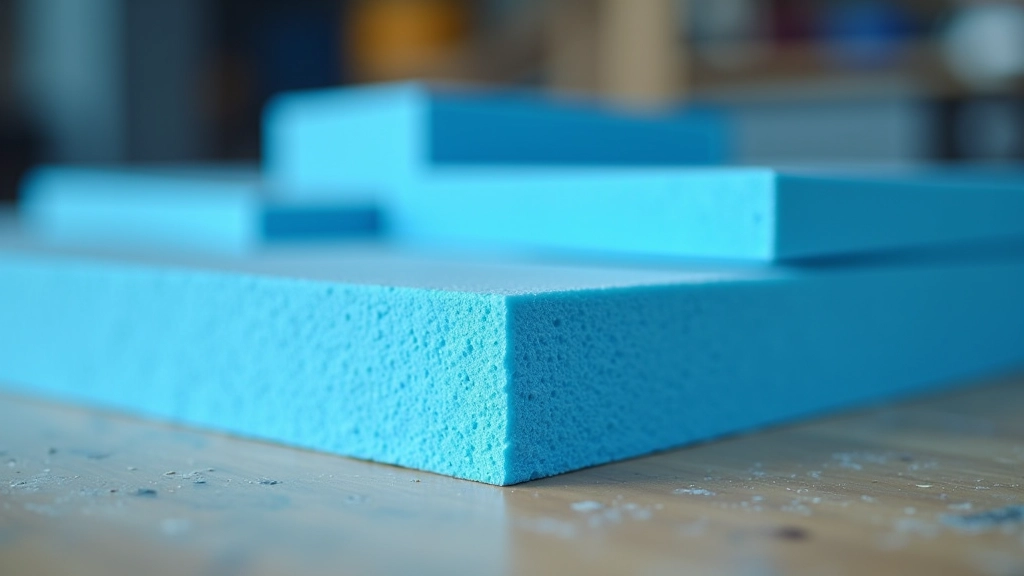
XPS panels handle moisture differently than mineral wool. This guide explains their unique properties and performance advantages.
Read Guide
What does R-value actually mean? This guide explains thermal resistance, how to calculate it, and what it means for your building.
Read GuideThis guide is provided for educational and informational purposes. Installation methods and best practices vary based on local building codes, climate conditions, specific product specifications, and substrate materials. Always consult product manufacturer guidelines and follow local building regulations in your area. For commercial or large-scale installations, consult with a qualified insulation specialist or contractor. zephbell isn't responsible for installation outcomes or damage resulting from improper application.
Whether you're using mineral wool or XPS, the installation method directly impacts how well your insulation performs. Both materials work well—but they need different approaches. Fastening strategy, sealing technique, and moisture management all differ based on what you've chosen.
The builders we know who get the best results follow these principles: prepare the substrate carefully, don't over-compress fasteners, seal every gap, and match your sealant type to your insulation material. It takes more time upfront, but it prevents callbacks and ensures your insulation actually delivers the thermal performance you're paying for.
When you're sourcing materials for your next project, you've got solid options in both mineral wool and XPS. What matters now is getting the installation right. That's where your skill and attention make the difference.
Ready to source materials for your project?
Get in Touch